



The Two Faces of Aggression and Choosing the Right One for Growth

Understanding Aggression and Its True Nature
Aggression is a difficult concept to define. Whether it is good or bad is also a complex question, as there is no single, universally accepted definition.
The nature of aggression often depends on how it is expressed. If it is used to intentionally inflict pain or harm, it is considered negative aggression. However, if it is channeled to achieve a goal without causing harm to others, it can be seen as positive or constructive aggression.
When Aggression Turns Harmful
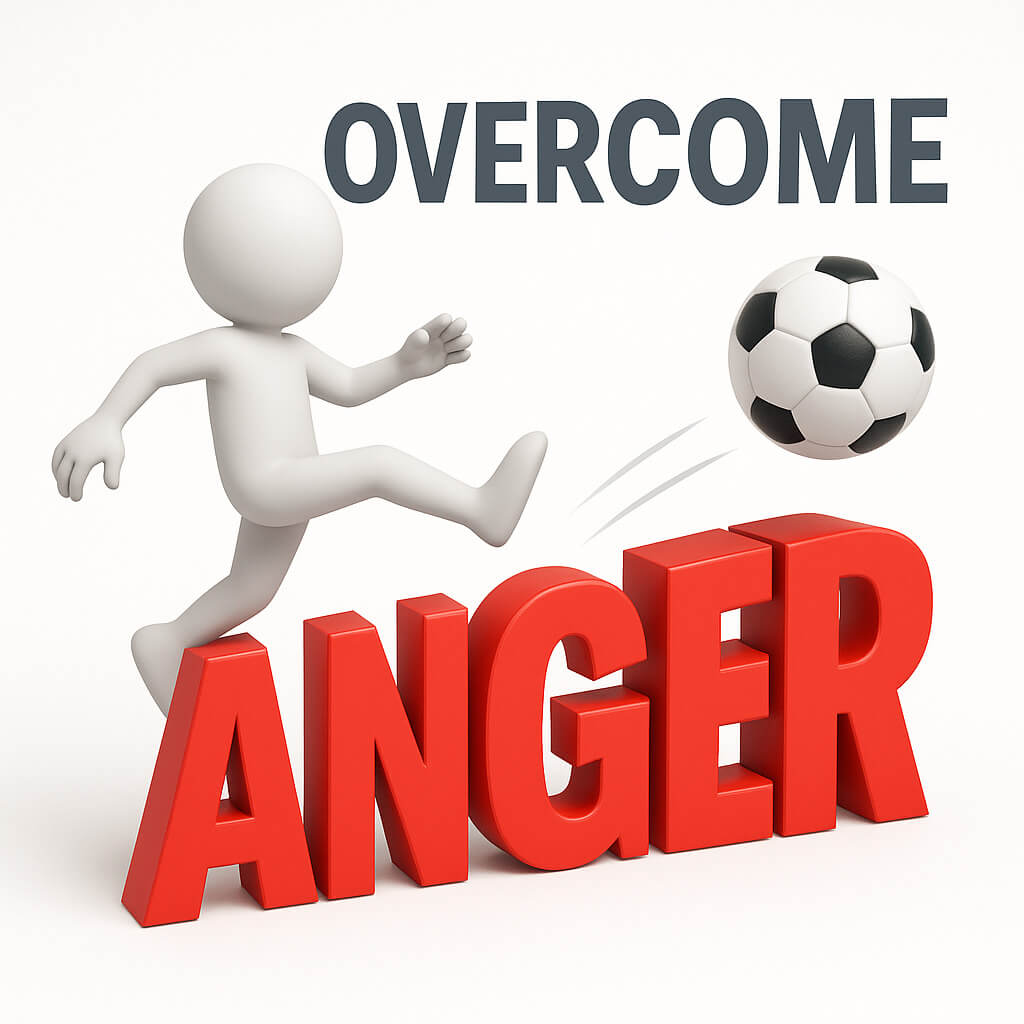
Consider a situation in a game of soccer where a center forward, using his skills, manages to get past the opposing team’s defenders. He is now moving toward the goal to score; however, his running speed does not match his brilliant dribbling skills. As a result, one of the defenders catches up with him, defends effectively, and clears the ball away from the goal.
If the center forward becomes frustrated, yells at the defender, and tries to hurt him physically, this behavior can be termed as negative or wrong aggression. His reaction is impulsive, and he expresses aggression through negative behavior.
This kind of response does not benefit him or his team in any way. In fact, he risks receiving a red card and being sent off the field, which not only harms his own performance but also puts his team at a disadvantage by forcing them to play with one player short.
How to Use Aggression as a Positive Force
Instead of being annoyed with the defender, who was simply doing his job, the player should have analyzed what went wrong. Had he done so, he would have realized that although his dribbling was excellent, he lacked the necessary speed.
Keeping this in mind, the next time he gets past the defenders, he should focus on running faster to ensure they don’t catch up with him. This would allow him to get closer to the goal and increase his chances of scoring.
This type of aggression is more calculated and, importantly, not driven by anger. It helps the player stay focused on the objective. Such behavior can be termed positive aggression because it is expressed through performance and determination, rather than impulsive or emotional reactions. It is strategic, not reckless.
Why We Often React with the Wrong Kind of Aggression
Not just in sports, but even in our daily lives, we often find ourselves in situations where we can choose to display either the right kind of aggression or the wrong kind. The choice is in our hands. However, most of the time, we end up displaying negative aggression because it is difficult to control our emotions.
Being blamed for someone else’s mistake is undoubtedly unfair. But when we are truly at fault, we must take responsibility and face the consequences. Sometimes, our ego is hurt when others point out our mistakes, even when we’ve clearly made a blunder. In such moments, we tend to react with arrogance because accepting the truth can be uncomfortable.
But remember, only those who are in denial feel that the truth is bitter. There’s a well-known saying: “Truth is bitter to those who are comfortable with the lie.” We often surround ourselves with people who praise us, and we accept that praise, even when it’s undeserved. However, when we are criticized or held accountable for our actions, we find it difficult to accept and often respond with negative aggression.
Channel Your Aggression in the Right Direction
Accepting your mistakes and taking responsibility is the first step toward solving any problem. Only then can you analyze what went wrong and learn from the experience. This approach helps you avoid making the same mistake in the future.
We often face criticism from professors or parents when we score poorly in exams. At work, we may face pressure from our managers when we fail to meet expectations. In such situations, it’s important to understand that you’re not being targeted or isolated, and it’s not a matter of personal vengeance. There’s usually a valid reason behind the feedback or consequences. Reacting with anger won’t solve the issue; it will only make it worse.
Just like the defender on the soccer field is focused on winning the match, not acting out of personal hostility, the people giving you feedback are usually doing so to help you grow. Your manager, professor, or parent has no personal agenda against you.
Don’t express your aggression as anger or resentment. Instead, channel it into correcting your mistake and improving your performance. This is how aggression, when directed positively, can lead to growth and success.
Author Bio
Vinod Balan is a content writer and author. He has self-published four books and written numerous articles, mainly on sports and their impact on individuals and society. Since 2017, Vinod has also led life-skills sessions for underprivileged youth, using stories inspired by his writings. Since 2022, he has been part of the Victory Sports Foundation’s Communications Team, where he manages social media, documents events, and crafts impactful content.